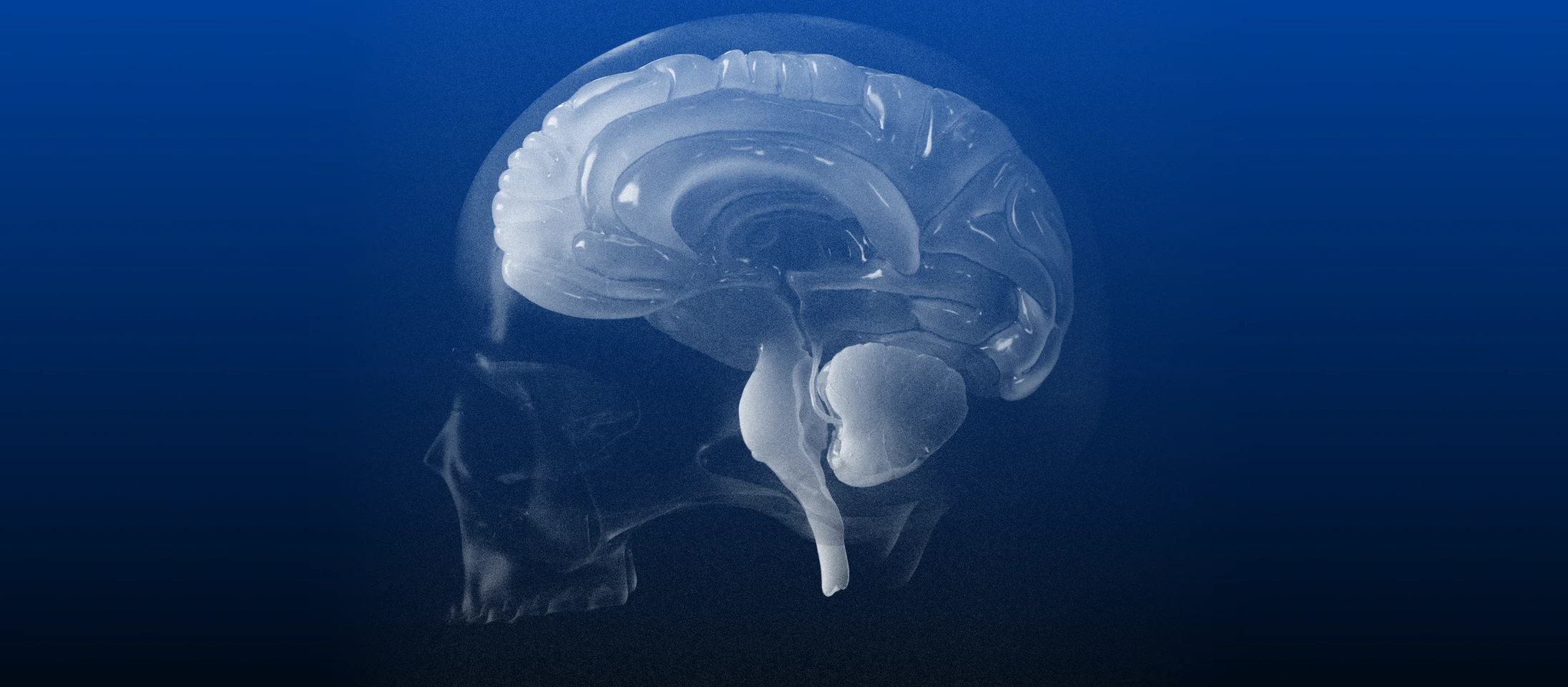
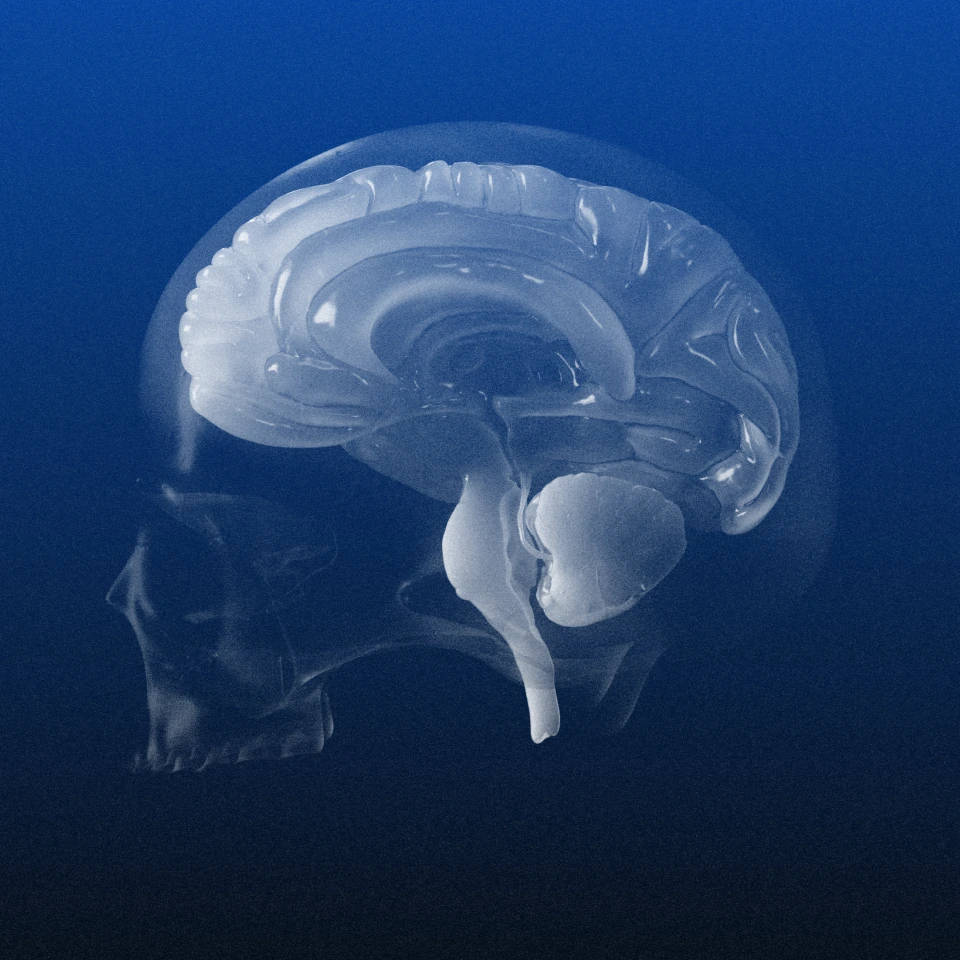


What happens to your brain as it ages?

July 22, 2026
X
6
 mins read
WRITTEN BY
Jessica Migala
MEDICAL REVIEWED BY
Dr. Amar Patel, M.D.
Summary

Our brains change and develop throughout our lifespan. Normal changes in the aging brain include structural changes and loss of neuronal connections, which affect your memory, attention, and focus. However, there are also positive shifts. Adults tend to develop a richer vocabulary, verbal reasoning, and depth of knowledge. Learn more about the age-related changes to your brain, the lifestyle strategies that keep you sharp, and what you can do to learn if your brain is aging well.

Your brain, along with the rest of you, ages. Although this is a normal process, it’s often misunderstood. 

Many people assume brain aging is synonymous with cognitive decline. But the reality is more nuanced. Some changes are a normal part of aging, while others may signal disease. Certain cognitive abilities gradually shift over time, while others remain stable or even improve well into later life.

Understanding more about how aging impacts your brain can help you make brain-healthy decisions that will support your cognitive health for decades to come.

Brain aging begins earlier than most people think

The brain changes throughout life, not just in older age.

Brain development has been described as an inverted U-shape. When younger, your brain networks are strengthening; structural brain changes are helping you improve skills and thinking. In fact, around age 30, the brain reaches its peak of “maximum efficiency.” After 30, there is a slow, subtle decline, but the brain is highly complex, and not every change is noticeable.

In research that looked at patterns of brain change across the lifespan, ages 9, 32, 66, and 83 were identified as potential turning points in structural and cognitive shifts. 

That said, everyone’s brain develops and ages differently. This is why diseases of the brain like Alzheimer’s or dementia are not universal.

Your brain changes in many ways over time

Brain volume, processing speed, and memory are among some of the age-related changes we experience. Here’s a look at what’s happening with each:

Brain volume

Brain volume is the physical size of your brain, and overall, a bigger brain is reflective of greater brain development and health. With age, there is a loss in overall brain volume that is expected, particularly to regions like the prefrontal cortex, cerebellum, and hippocampus. Shrinkage in these areas will affect attention, emotional control, working memory, learning, and movement. These natural changes don’t automatically mean cognitive impairment. 

Processing speed

One of the most consistently observed age-related changes, your brain’s ability to process information begins to slow. You might notice that brain performance, such as quick thinking and multitasking becomes more of a challenge. Slower thinking doesn’t mean less smarts: Accumulated knowledge often remains strong.

Memory

Age-related forgetfulness is normal. It can be harder to remember things, but these blips should not make your day-to-day more difficult or impossible to carry out tasks. Misplacing your phone in your home is one thing, it’s another to get lost on the way to the grocery store, forget to bathe or eat, or experience episodes of extreme confusion.

Your brain can also stay strong and improve

There are so many positive things about your brain as it ages. You can expect to enjoy strong or better vocabulary, reading, and verbal reasoning skills. The old “older and wiser” adage? All true.

Specifically, your brain becomes better able to communicate between distant areas, giving you a more “bird’s eye,” big-picture view that helps you maintain a helpful perspective on problems and issues. It’s true knowledge and wisdom that you don’t have when younger and quippier.

Your brain runs on sleep

Sleep habits and needs also change as you age. As you get older, night owl tendencies give way for early bedtimes, shorter nighttime sleep, more middle-of-the-night wakeups (and staring at the ceiling), and more daytime naps. 

However, it’s still not normal to have sleep problems. Comorbidities, mental health problems, and changes in lifestyle can step in to cause sleep disturbances—and half (or more) of older adults say their sleep quality is poor.

That’s unfortunate, since sleep plays such a pivotal role in your brain health, reinforcing neuronal connections, creating new memories, paving the path toward new learning, and removing built-up toxins.

So it makes sense that lack of sleep drives down your cognitive performance, causing attention, alertness, judgment, and decision making to somewhat sputter. When poor sleep becomes a lifestyle, it’s linked to changes related to the development of Alzheimer’s disease.

Your brain loves exercise

Want to support focus, memory, and long-term brain health? Physical activity is one important place to start.  Research suggests that spending more time moving your body is associated with better cognitive function and performance, and staying active later in life may help support brain health.   

Exercise increases the flow of blood to your brain, supports neuroplasticity, increases the volume of the hippocampus (the brain’s memory bank), and regular exercisers are less vulnerable to dementia.

One of our award-winning studies found that just 25 minutes of moderate to vigorous exercise per week was associated with greater brain volume in regions most vulnerable to Alzheimer’s disease. Similarly, Johns Hopkins researchers found that, compared to no exercise, as little as 35 minutes of moderate to vigorous activity per week was associated with a 41 percent lower risk of dementia. Another Prenuvo study found that people who exercised vigorously had larger brain volumes than those who didn't. Taken together, these findings suggest that even modest amounts of exercise are associated with brain-health markers and lower dementia risk in some studies, supporting regular movement as part of a brain-healthy lifestyle. 

Your brain is plastic

Here’s what that means: your brain can change and mold, depending on what you put into it. This term is called neuroplasticity, and it’s defined as the ability of the brain to change in structure and function depending on internal and external stimuli. This is helpful when the brain needs to recover following an injury, but the brain has a way of making new neurons, connections, and reorganizing based on lifestyle and environmental factors as well. Factors that have been found to help rev up the brain include music, exercise, following a healthy diet, reducing stress, and sleeping well. Learning something new (like a new language) or challenging your brain (try to play an instrument, take up a new hobby) also fires up those neurons to maintain cognitive fitness. Oh, and it’s never too late to boost your brain. 

Brain health is increasingly viewed as part of whole body health

What’s good for your body is good for your brain. That means that critical measures of wellbeing and longevity, including maintaining cardiovascular health, metabolic health, addressing chronic inflammation, and prioritizing good sleep are all involved in sharp cognitive function. For example, if you have hypertension, treating your high blood pressure reduces your risk for dementia, research in The Lancet Neurology shows. Having diabetes is associated with a 59% higher risk of dementia. Chronic high blood sugar damages blood vessels and nerves, including those that feed your brain. And inflammation is a threat to brain health, as chronic inflammation may drive the development of amyloid-beta plaques in the brain, which are associated with Alzheimer’s disease. 

Knowing the health of your heart and blood vessels, and treating any issues early will also protect your brain.

What researchers want to learn now

The brain is incredibly complex, and researchers are continuing to research brain volume trends, white matter integrity, vascular contributions to cognitive aging, and lifestyle influences on brain resilience. 

While research doesn’t have all the answers and perhaps the human brain is something we’ll never fully wrap our minds around, imaging can provide useful information about certain structural and vascular brain changes.  

Prenuvo’s Advanced Brain Health Scan is designed to provide insight into brain structure and blood flow, helping individuals establish a baseline and track changes over time. The Whole Body Scan can also provide broader context by looking across multiple organ systems, reflecting the increasingly accepted idea that brain health and overall health are deeply connected.

Curious about your brain health? Book a call with our Patient Services Team to learn more about the benefits of Prenuvo's Advanced Brain Health Scan and Whole Body Scan.

FAQ

What speeds up brain aging?

A variety of medical conditions and lifestyle factors speed up brain aging, such as alcohol use, smoking, and poor sleep to name a few.

What are the very first dementia signs?

Some early warning signs of dementia include memory loss that disrupts life, having difficulty carrying out once-easy tasks, trouble joining or following a conversation, and experiencing poor decision-making.

What are the six habits to slow brain aging?

About 45% of dementias can be prevented or delayed, and there are lifestyle habits that make the biggest difference. Those include staying physically active, preventing or managing diabetes, controlling blood pressure, addressing hearing loss, limiting or avoiding alcohol, and quitting smoking.

Do brains fully mature at 25?

No. This is actually a pervasive myth. Research indicates that the brain matures until its peak around age 32. After that, brains continue to develop and change throughout life.

What does research suggest about vitamin D and dementia risk?

Vitamin D, aka the sunshine vitamin, is the vitamin that’s been associated with 40% lower dementia incidence over the course of 10 years compared to no supplemental vitamin D. Although it’s not entirely clear why, early vitamin D supplementation may encourage amyloid-beta clearance, interrupting the development of plaques associated with Alzheimer’s disease, though this may only be effective before any signs of cognitive impairment arise.

Citations

Mousley, A., Bethlehem, R. A. I., Yeh, F.-C., & Astle, D. E. (2025). Topological turning points across the human lifespan. Nature Communications, 16(1). https://doi.org/10.1038/s41467-025-65974-8

DeCarli, C., Maillard, P., Pase, M. P., Beiser, A. S., Kojis, D., Satizabal, C. L., Himali, J. J., Aparicio, H. J., Fletcher, E., & Seshadri, S. (2024). Trends in Intracranial and Cerebral Volumes of Framingham Heart Study Participants Born 1930 to 1970. JAMA Neurology. https://doi.org/10.1001/jamaneurol.2024.0469 

Beese, M. (2025, August 12). Brain Aging Explained: What Speeds It Up, and What We Can Do to Prolong Brain Health - American Brain Foundation. American Brain Foundation. https://www.americanbrainfoundation.org/brain-aging-explained-what-speeds-it-up-and-what-we-can-do-to-slow-it-down/ 

‌‌Clinic, C. (2025, September 29). Prefrontal Cortex: What It Is, Function, Location & Damage. Cleveland Clinic. https://my.clevelandclinic.org/health/body/prefrontal-cortex 

‌Cleveland Clinic. (2022, July 7). Cerebellum: What It Is, Function & Anatomy. Cleveland Clinic. https://my.clevelandclinic.org/health/body/23418-cerebellum 

‌Cleveland Clinic . (2024, May 14). Hippocampus. Cleveland Clinic. https://my.clevelandclinic.org/health/body/hippocampus 

‌Ebaid, D., Crewther, S. G., MacCalman, K., Brown, A., & Crewther, D. P. (2017). Cognitive processing speed across the lifespan: Beyond the influence of motor speed. Frontiers in Aging Neuroscience, 9(62). https://doi.org/10.3389/fnagi.2017.00062 

National Institute of Aging. (2023). How the Aging Brain Affects Thinking. National Institute on Aging. https://www.nia.nih.gov/health/brain-health/how-aging-brain-affects-thinking 

‌National Institute on Aging. (2023, November 22). Memory Problems, Forgetfulness, and Aging. National Institute on Aging. https://www.nia.nih.gov/health/memory-loss-and-forgetfulness/memory-problems-forgetfulness-and-aging 

Healthy Aging. (2025). Memory and Aging Center. https://memory.ucsf.edu/brain-health/healthy-aging 

Harvard Health Publishing. (2017, August 30). How memory and thinking ability change with age - Harvard Health. Harvard Health; Harvard Health. https://www.health.harvard.edu/mind-and-mood/how-memory-and-thinking-ability-change-with-age 

‌Li, J., Vitiello, M. V., & Gooneratne, N. S. (2017). Sleep in Normal Aging. Sleep Medicine Clinics, 13(1), 1–11. https://doi.org/10.1016/j.jsmc.2017.09.001 

National Institute of Neurological Disorders and Stroke. (2024, September 5). Brain basics: Understanding sleep. National Institute of Neurological Disorders and Stroke. https://www.ninds.nih.gov/health-information/public-education/brain-basics/brain-basics-understanding-sleep 

Khan, M., & Al-Jahdali, H. (2023). The Consequences of Sleep Deprivation on Cognitive Performance. King Abdullah International Medical Research Center, 28(2), 91–99. https://doi.org/10.17712/nsj.2023.2.20220108 

‌Lv, Y.-N., Cui, Y., Zhang, B., & Huang, S.-M. (2022). Sleep deficiency promotes Alzheimer’s disease development and progression. Frontiers in Neurology, 13. https://doi.org/10.3389/fneur.2022.1053942 

‌Collins, A. M., Mellow, M. L., Smith, A. E., Wan, L., Gothe, N. P., Fanning, J., Jakicic, J. M., Kang, C., Grove, G., Huang, H., Oberlin, L. E., Migueles, J. H., M Ilyas Kamboh, Kramer, A. F., Hillman, C. H., Vidoni, E. D., Burns, J. M., McAuley, E., & Erickson, K. I. (2025). 24-Hour time use and cognitive performance in late adulthood: results from the Investigating Gains in Neurocognition in an Intervention Trial of Exercise (IGNITE) study. PubMed, 54(4). https://doi.org/10.1093/ageing/afaf072 

‌Liu, J., Min, L., Liu, R., Zhang, X., Wu, M., Di, Q., & Ma, X. (2023). The effect of exercise on cerebral blood flow and executive function among young adults: a double-blinded randomized controlled trial. Scientific Reports, 13(1), 8269. https://doi.org/10.1038/s41598-023-33063-9 

‌de Sousa Fernandes, M. S., Ordônio, T. F., Santos, G. C. J., Santos, L. E. R., Calazans, C. T., Gomes, D. A., & Santos, T. M. (2020). Effects of Physical Exercise on Neuroplasticity and Brain Function: A Systematic Review in Human and Animal Studies. Neural Plasticity, 2020(1), 1–21. https://doi.org/10.1155/2020/8856621 

‌Wilckens, K. A., Stillman, C. M., Waiwood, A. M., Kang, C., Leckie, R. L., Peven, J. C., Foust, J. E., Fraundorf, S. H., & Erickson, K. I. (2020). Exercise interventions preserve hippocampal volume: A meta‐analysis. Hippocampus, 31(3), 335–347. https://doi.org/10.1002/hipo.23292 

‌Wanigatunga, A. A., Dong, Y., Jin, M., Leroux, A., Cui, E., Zhou, X., Zhao, A., Schrack, J. A., Bandeen-Roche, K., Walston, J. D., Xue, Q.-L., Lindquist, M. A., & Crainiceanu, C. M. (2025). Moderate-to-Vigorous Physical Activity at any Dose Reduces All-Cause Dementia Risk Regardless of Frailty Status. Journal of the American Medical Directors Association, 26(3), 105456–105456. https://doi.org/10.1016/j.jamda.2024.105456 

Raji, C. A., Meysami, S., Hashemi, S., Garg, S., Akbari, N., Ahmed, G., Chodakiewitz, Y. G., Nguyen, T. D., Niotis, K., Merrill, D. A., & Attariwala, R. (2023). Exercise-Related Physical Activity Relates to Brain Volumes in 10,125 Individuals. Journal of Alzheimer’s Disease, Preprint(Preprint), 1–11. https://doi.org/10.3233/JAD-230740 

‌Puderbaugh, M., & Emmady, P. D. (2023, May 1). Neuroplasticity. National Library of Medicine; StatPearls Publishing. https://www.ncbi.nlm.nih.gov/books/NBK557811/ 

‌Fisher, J. (2025, April 2). Tips to leverage neuroplasticity to maintain cognitive fitness as you age - Harvard Health. Harvard Health. https://www.health.harvard.edu/mind-and-mood/tips-to-leverage-neuroplasticity-to-maintain-cognitive-fitness-as-you-age 

‌Ding, J., Davis-Plourde, K. L., Sedaghat, S., Tully, P. J., Wang, W., Phillips, C., Pase, M. P., Himali, J. J., Gwen Windham, B., Griswold, M., Gottesman, R., Mosley, T. H., White, L., Guðnason, V., Debette, S., Beiser, A. S., Seshadri, S., Ikram, M. A., Meirelles, O., & Tzourio, C. (2020). Antihypertensive medications and risk for incident dementia and Alzheimer’s disease: a meta-analysis of individual participant data from prospective cohort studies. The Lancet Neurology, 19(1), 61–70. https://doi.org/10.1016/s1474-4422(19)30393-x 

‌Cao, F., Yang, F., Li, J., Guo, W., Zhang, C., Gao, F., Sun, X., Zhou, Y., & Zhang, W. (2024). The relationship between diabetes and the dementia risk: a meta-analysis. Diabetology & Metabolic Syndrome, 16(1). https://doi.org/10.1186/s13098-024-01346-4 

‌Ahmad, M. A., Kareem, O., Khushtar, M., Akbar, M., Haque, M. R., Iqubal, A., Haider, M. F., Pottoo, F. H., Abdulla, F. S., Al-Haidar, M. B., & Alhajri, N. (2022). Neuroinflammation: A Potential Risk for Dementia. International Journal of Molecular Sciences, 23(2), 616. https://doi.org/10.3390/ijms23020616 

‌National Institute on Aging. (2024, June 11). Cognitive Health and Older Adults. National Institute on Aging; National Institutes of Health. https://www.nia.nih.gov/health/brain-health/cognitive-health-and-older-adults 

‌Alzheimer's Association. (2025). 10 early signs and symptoms of alzheimer’s. Alzheimer’s Disease and Dementia; Alzheimer’s Association. https://www.alz.org/alzheimers-dementia/10_signs 

‌CDC. (2024, August 27). Reducing Risk for Dementia. Alzheimer’s Disease and Dementia. https://www.cdc.gov/alzheimers-dementia/prevention/index.html 

‌Ghahremani, M., Smith, E. E., Chen, H., Creese, B., Goodarzi, Z., & Ismail, Z. (2023). Vitamin D supplementation and incident dementia: Effects of sex, APOE , and baseline cognitive status. Alzheimer’s & Dementia: Diagnosis, Assessment & Disease Monitoring, 15(1). https://doi.org/10.1002/dad2.12404 

Share this

Related articles

August 22, 2023

August 15, 2023

Stay updated on our
latests findings and research

a profile photo a of a man thinking
Open modal